Understanding the Gut-Brain Axis: A Comprehensive Guide
Introduction:
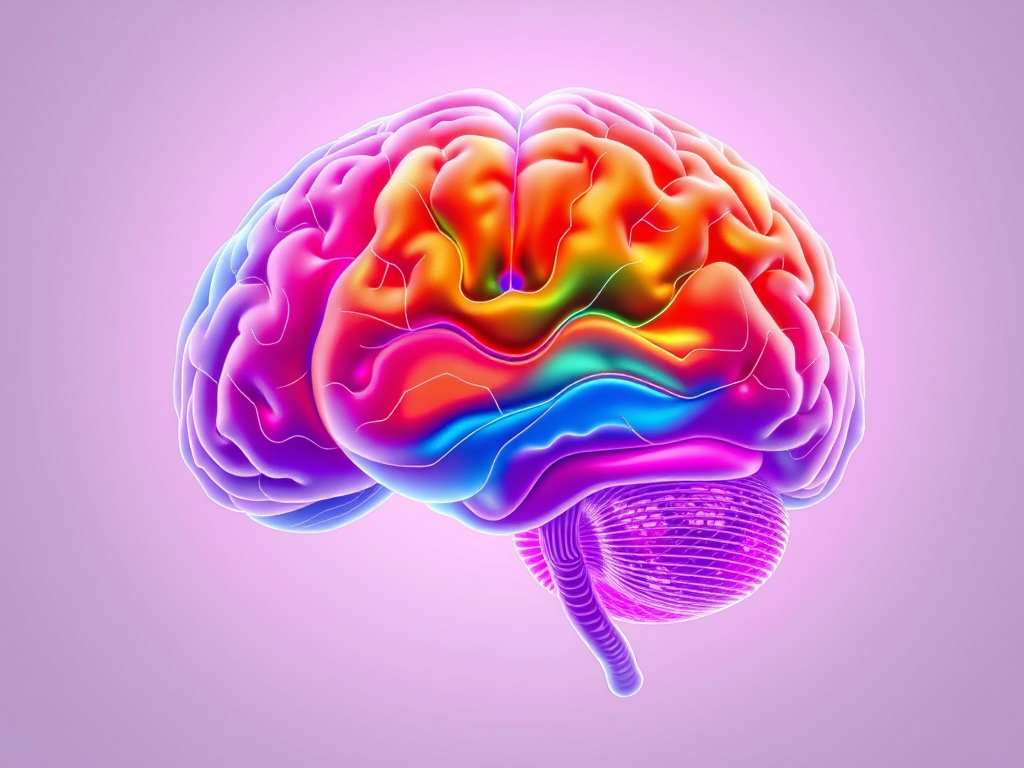
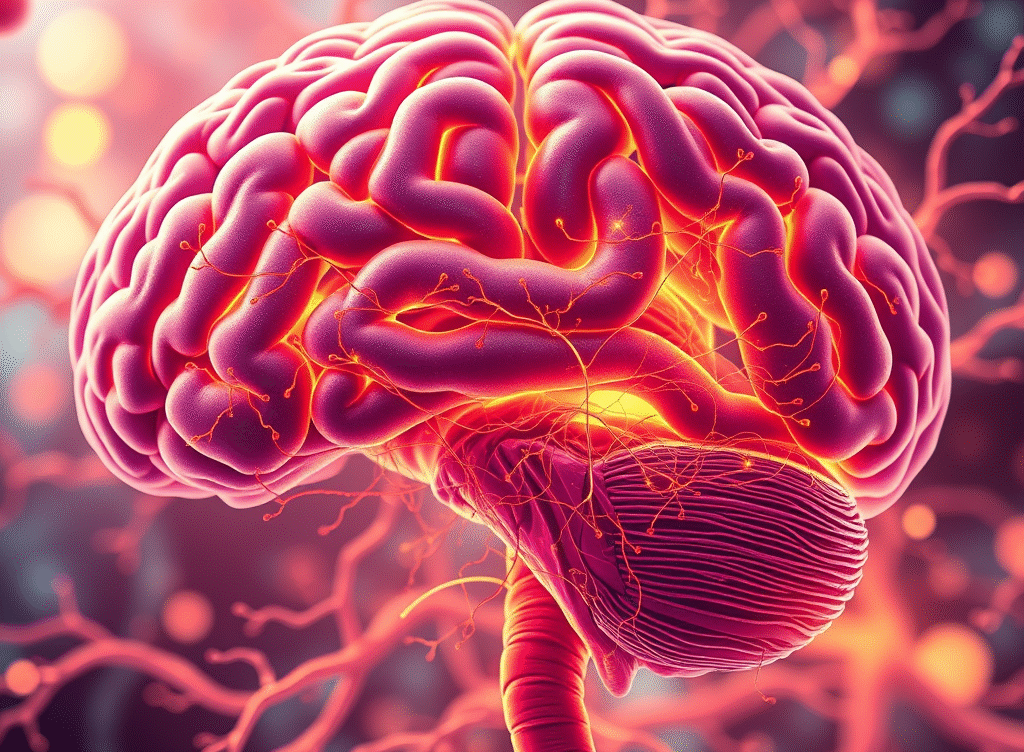
The gut-brain axis is the biochemical signaling between the GIT and the CNS. This complex communication system ensures the proper maintenance of gastrointestinal homeostasis and has multiple effects on motivation and higher cognitive functions.
Table of Contents:
The gut-brain axis is also used to refer to the role of the gut flora in this axis; the microbiota-gut-brain axis may be a more accurate term. The gut-brain axis monitors and integrates gut functions, linking emotional and cognitive centers of the brain with peripheral intestinal functions and mechanisms, such as immune activation, intestinal permeability, enteric reflexes, and entero-endocrine signaling.
The gut-brain axis consists of the CNS, neuroendocrine, and neuroimmune systems, including the hypothalamic-pituitary-adrenal axis, sympathetic and parasympathetic divisions of the ANS, the enteric nervous system, vagus nerve, and the gut microbiota.
From Gut to Brain :
The microbiome refers to either the collective genomes of the microorganisms that reside in a specific environmental niche or the microorganisms themselves. Microbes are present in the stomach, small and large intestines, and the distal gut, where there are about 100 trillion.
This mass is primarily composed of symbiotic microbes. It has been called a ‘forgotten organ. ‘ Approximately 10 to the power14 microorganisms, about 10 times the number of cells in the human body, are present in the human gut.
The microbiome’s genetic material is about 150 times greater than that of the human genome. Therefore, some scientists label the microbiome a ‘Superorganism.’
Microbiota are ecological communities of commensal, symbiotic, and pathogenic microorganisms found in and on all multicellular organisms. They are a collection of microbiomes and include bacteria, fungi, and viruses.
They are essential for their host’s immunological, hormonal, and metabolic homeostasis. The large intestine contains over 700 species of bacteria, fungi, and protozoa with multiple functions. The gut metagenome is the aggregate of all the genomes of gut microbiota.
Types of microbe-host relationships:
a)Commensalism-where the microbiota colonize a host in non-harmful coexistence.
b) Mutualistic = symbiosis when both benefit from this coexistence.
c) Parasitic when coexistence is harmful to the host.
Pavlov demonstrated that the gut-brain axis is responsible for the cephalic phase of salivary gland secretion and gastric secretion in response to sensory stimuli, such as sight, smell, or thought.
The gut flora in the gut-brain axis appears to contribute to psychiatric and neurological conditions, which in turn can affect the gut flora.
The gut flora is established one to two years after birth in humans. By then, the intestinal epithelium and the intestinal mucosal barrier that it secretes had co-developed so that they were tolerant of and even supportive of the gut flora, which also provided a barrier to pathogenic organisms. Although each person’s microbiota profile is different, the relative presence of these bacterial phylotypes is similar among healthy individuals.
The gut microbiota in humans has the largest number of bacteria and species. The two most prominent phyla are Firmicutes and Bacteroidetes, which together form approximately 75% of the microbiome population.
Functions:
The gut metagenome is the aggregate of all the genomes of gut microbiota. Humans and gut flora have a mutualistic relationship. The gut flora derives energy from the fermentation of undigested carbohydrates and the subsequent absorption of short-chain fatty acids, acetate, butyrate, and propionate.
The gut flora also synthesizes vit. K and vit. B, and they metabolize bile acids, sterols, and xenobiotics. So, the gut flora works like an endocrine organ. The gut flora changes are observed in various inflammatory and autoimmune conditions. It has been called a ‘forgotten organ.
The composition of human gut flora changes over time, often in correlation with changes in diet, drugs, or disease, which in turn affect levels of circulating cytokines. Some of these can affect brain function and overall health. The gut flora also releases molecules that can directly activate the vagus nerve, which informs the brain about the state of the intestines.
Likewise, stressful situations activate the hypothalamic-pituitary-adrenal axis, causing changes in gut flora, intestinal epithelium, and systemic effects.
The enteric nervous system includes efferent, afferent, and interneurons, capable of carrying reflexes without CNS input. The enteric nervous system uses more than 30 neurotransmitters, most of which are used in the CNS, for example, acetylcholine, dopamine, and serotonin.95% Serotonin is contained in the gut. It is present in the mucosa and nerve terminals of the enteric nervous system.
Serotonin is also known as the ‘feel-good hormone’.It is worth noting that the ‘love hormone’ is actually oxytocin. These neurotransmitters’ dual functions play an active role in the gut-brain axis.
The gut-brain axis is a bidirectional neurohormonal communication system vital for maintaining homeostasis. It is regulated by the CNS, HPA Axis, Enteric nervous system, and neural, endocrine, immune, and metabolic pathways.
The gut flora can produce numerous neuroactive molecules, including acetylcholine, catecholamines, histamine, melatonin, and serotonin.
From brain to gut :
Different psychological stressors modulate the composition and total biomass of the enteric microbiota. These effects may be mediated through the parallel neuroendocrine output efferent system (ANS and HPA ), directly via host-enteric microbiota signaling, and indirectly via changes in the intestinal milieu.
Stress affects the gut by decreasing metabolism, enzyme output, absorption, blood flow, and oxygen supply. These efferent neural pathways, associated with pain-modulator endogenous pathways, constitute the ‘Emotional motor system.’
The direct influence is mediated by secretion, which the brain regulates. Bacteria have neurotransmitter receptors. For example, Pseudomonas fluorescens has been reported to have a high affinity for the GABA system, with binding properties similar to those of a brain receptor.
Importance:
The microbiome can cause disease when a delicate balance is disrupted. For example, Diabetes mellitus, Obesity, metabolic syndromes, Stress, Anxiety, Heart disease, Allergic disorders, IBD, cancers, etc. The use of the microbiome is being tested for treating some diseases.
A healthy gut is essential for a happy life and leads to a healthy brain.
Please share your opinion.