Understanding Human Physiology: Past, Present, and Future
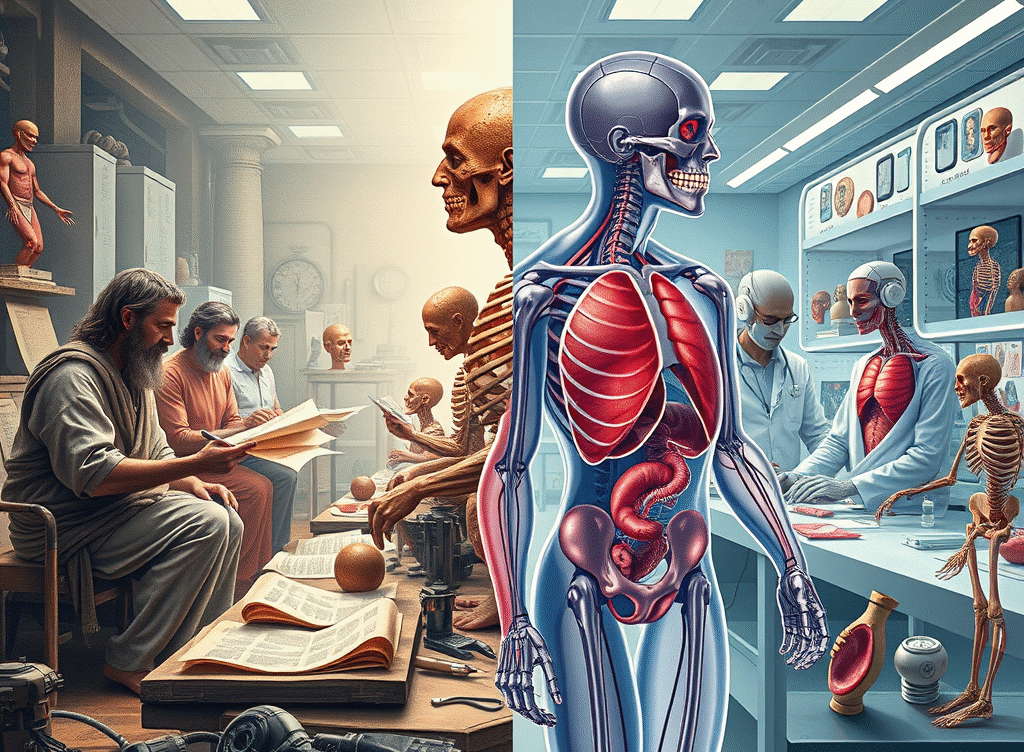
The study of human physiology has been ongoing for time immemorial. The first authentic available record is found in the Sushruta Samhita and Charak Samhita, dating back to around
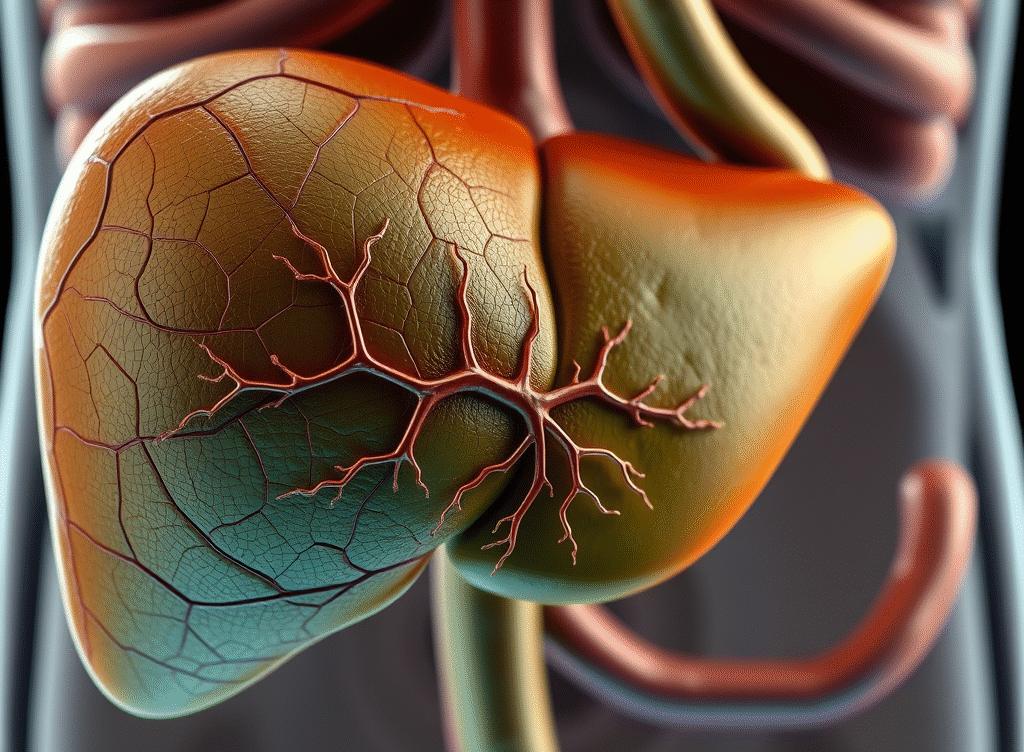
Bile is a physiological fluid that is dark green to yellowish-brown in color and produced by the liver. In humans, bile is produced continuously by the liver and drained by bile c
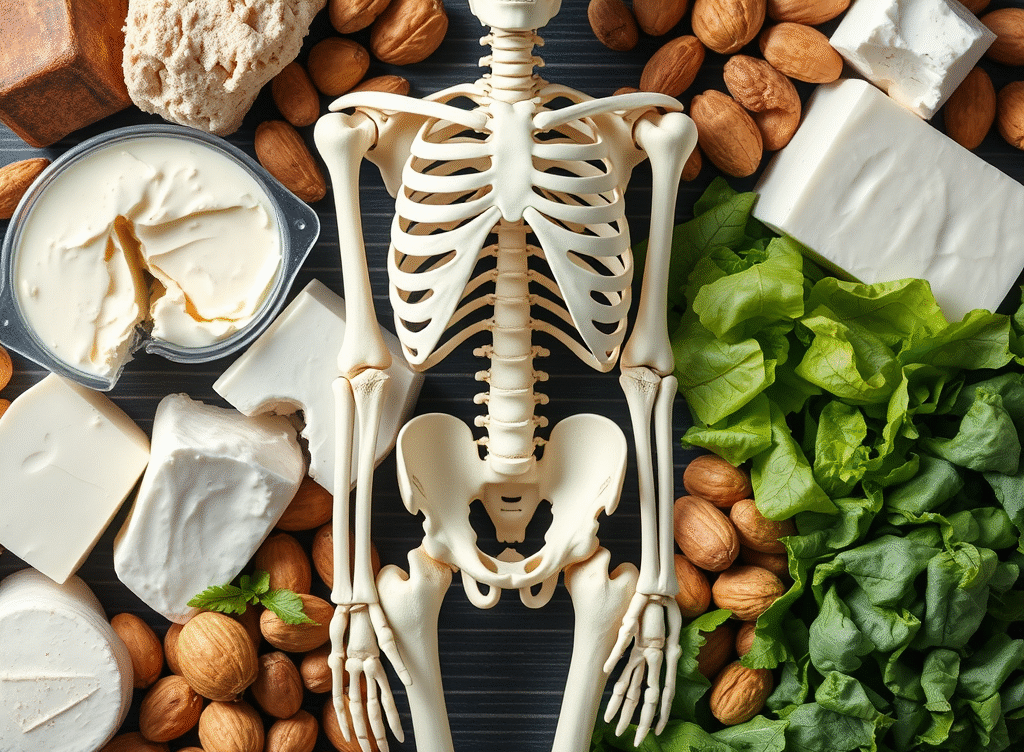
Calcium is the most abundant mineral in the human body. The amount of total body calcium ranges from 1100 to 1200 g, out of which 99% is present in the skeleton, and the remaining
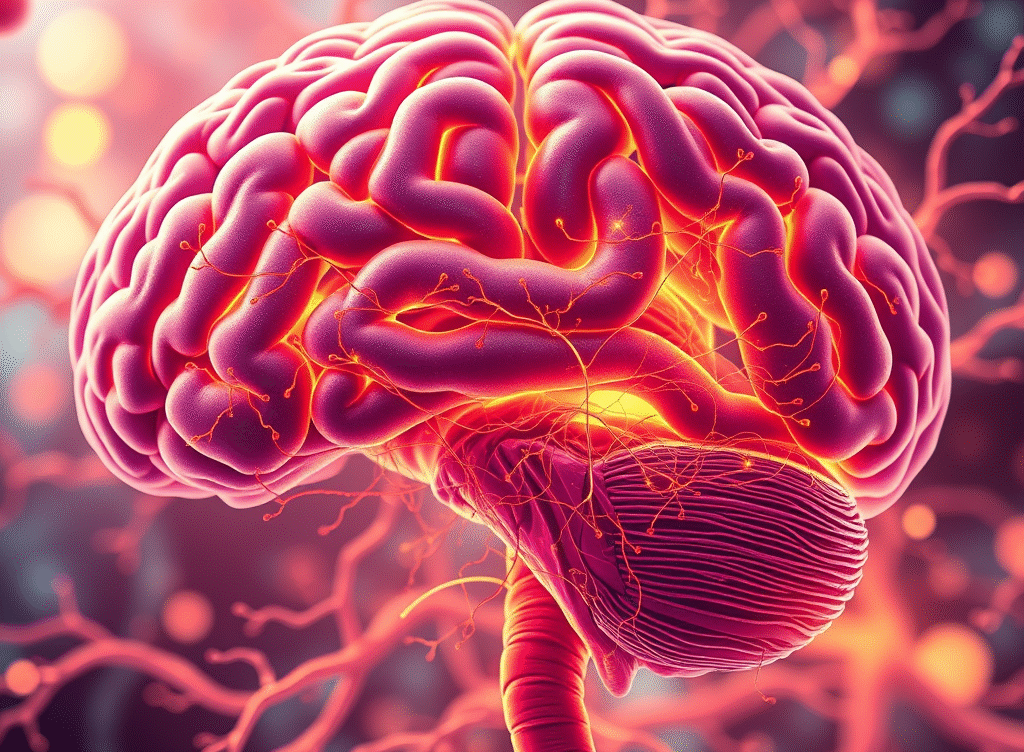
The gut-brain axis is the biochemical signaling between the GIT and the CNS. This complex communication system ensures the proper maintenance of gastrointestinal homeostasis and ha
Gastrointestinal hormones are biologically active polypeptides secreted from the endocrine cells of the GIT mucosa. These hormones enter the portal circulation, then flow into the
The complement system is crucial in the body's defense against invading pathogens and tumor cells. Its components enhance the antibacterial activities of antibodies.
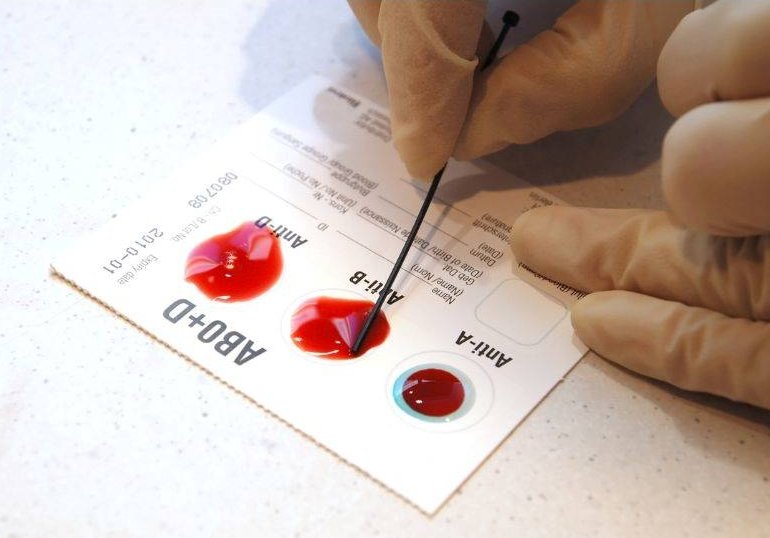
A variety of genetically determined antigens, known as agglutinogens or isoantigens, are present on the surfaces of red blood corpuscles. These antigens decide a person's blood gro
Antioxidants are substances or molecules that neutralize or remove the free radicals and prevent their formation. In addition, they perform various critical bodily functions and ar
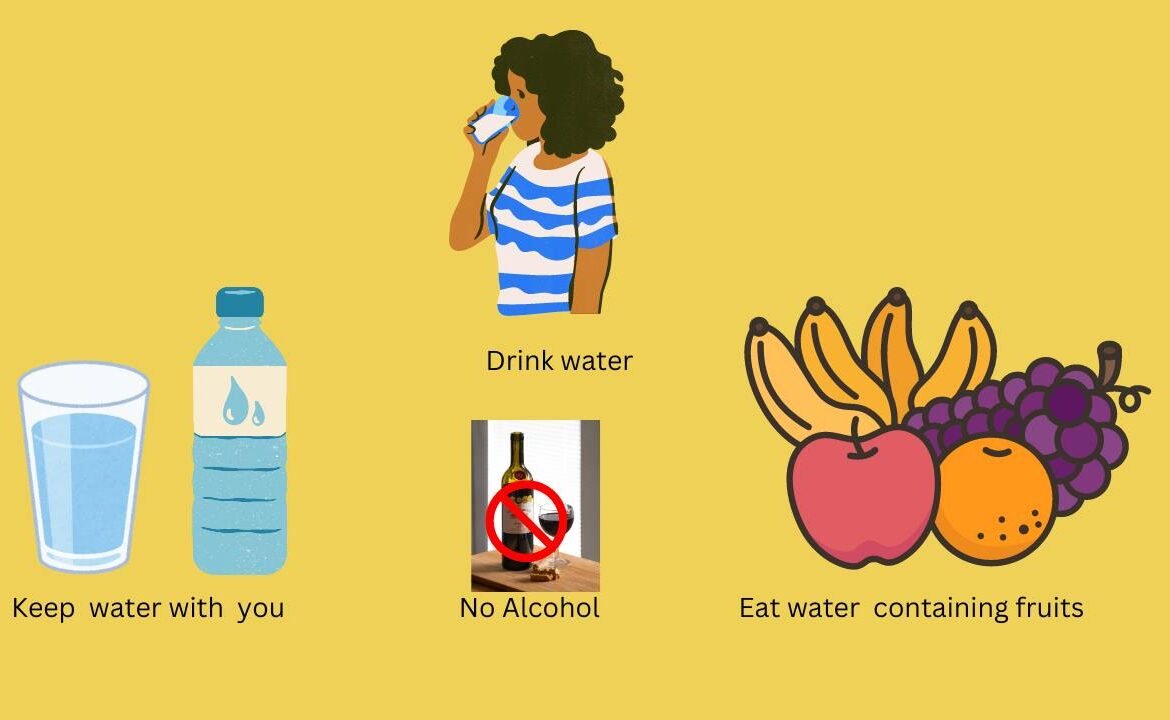
Proper hydration is vital for overall good health. Drink an adequate amount of liquids to maintain a healthy fluid level. It is life saving in warm climates.