Neuroendocrine Reflex Explained: Homeostasis and Examples
Introduction
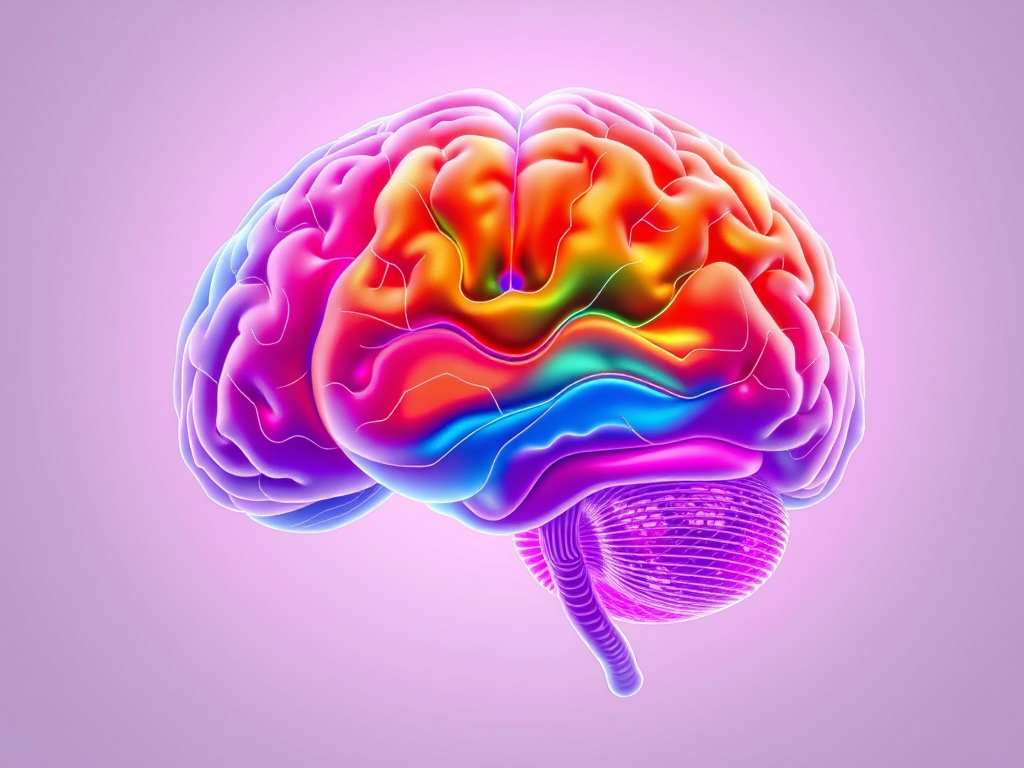
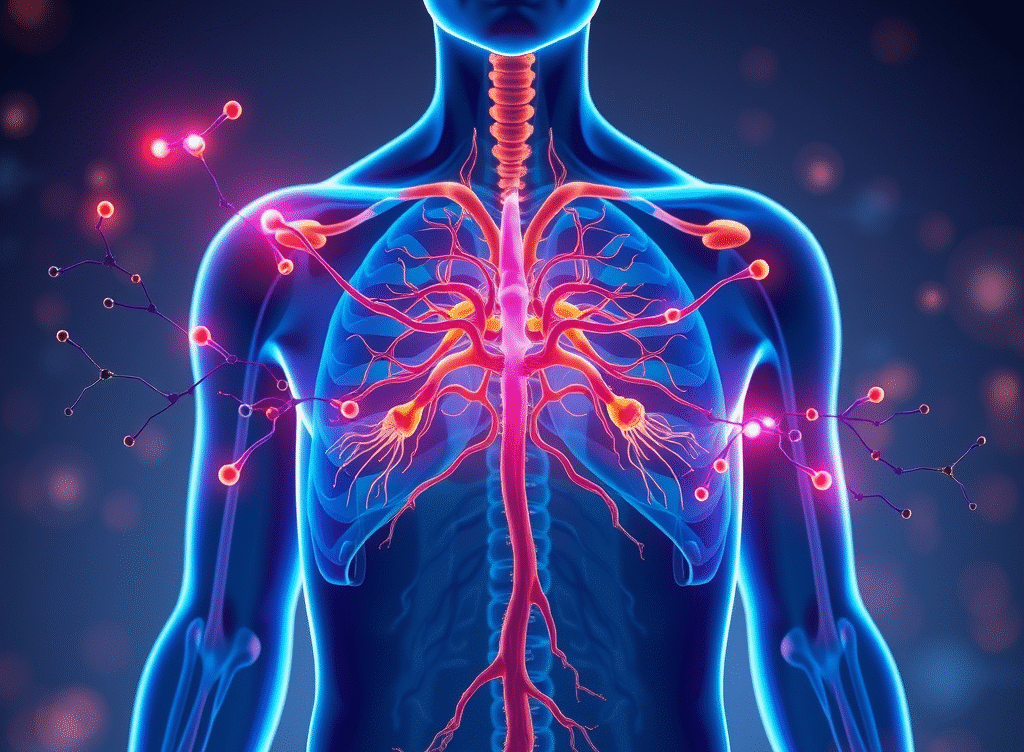
The neuroendocrine reflex integrates two systems of the body that are responsible for maintaining homeostasis. The two systems are the nervous and endocrine systems. They affect each other through both negative and positive feedback mechanisms to regulate the body’s overall functions. The internal and external stimuli stimulate them.
Table of Contents
The neuroendocrine reflex differs from a simple reflex.
Parts of the neuroendocrine reflex are
- Receptor
- Afferent pathway
- The hypothalamus
- Efferent pathway
- Effector organ -gland or tissues
Examples are
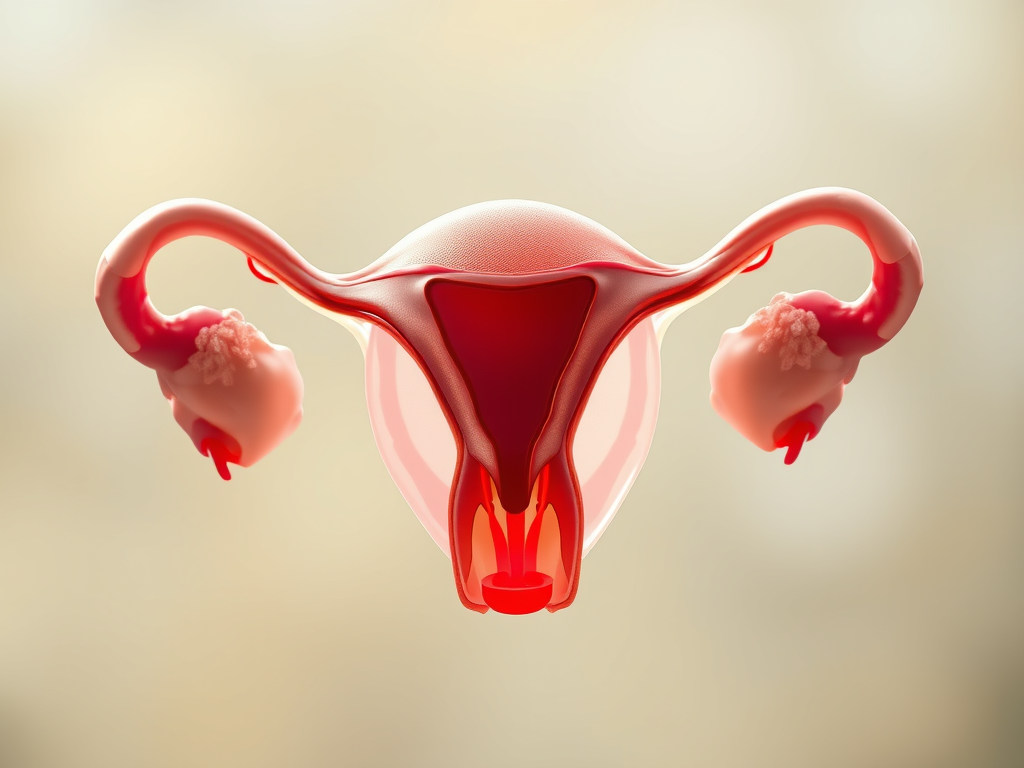
Parturition reflex
Milk ejection reflex
Stress reflex
Importance:
Neuro-endocrinal reflexes maintain homeostasis by precise and timely responses to stimuli that require a combination of rapid neural action and sustained hormonal effects.
The neuroendocrine reflex is a basic reflex responsible for maintaining homeostasis. Its regulation is delicate and precise, ensuring that bodily functions are executed timely and smoothly under both normal and stressful conditions.
References:
Stretch receptor – Wikipedia. https://en.wikipedia.org/wiki/Stretch_receptor
Subscribe below and join the pack. Stay in the loop and be the first to get notified about the latest updates.
Image credit: AI