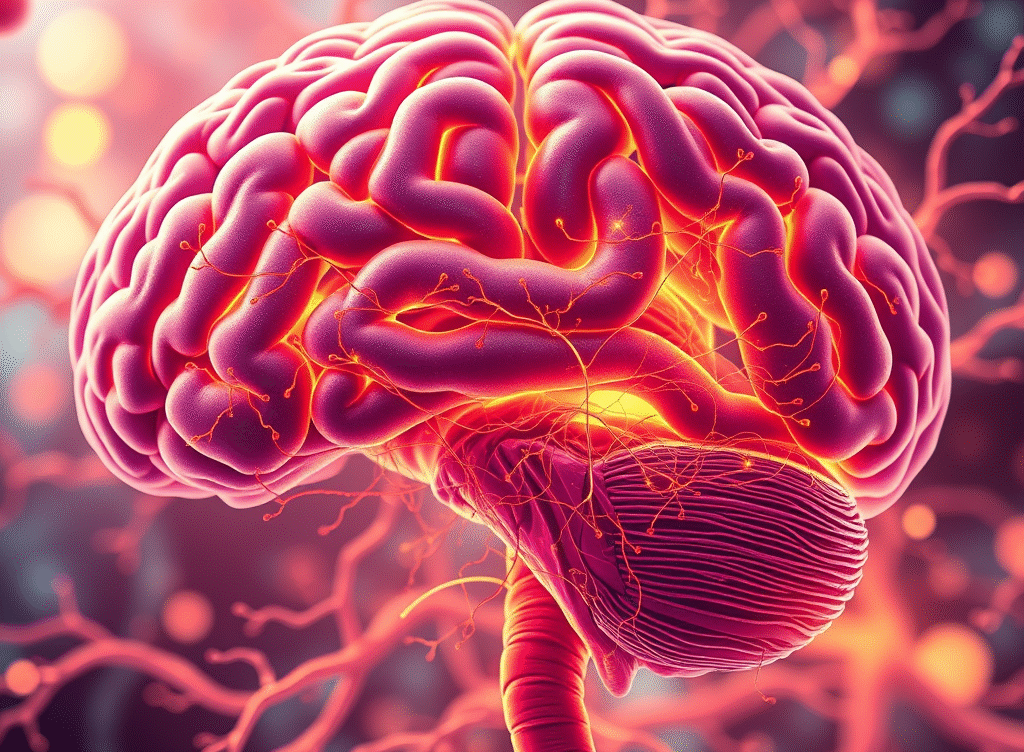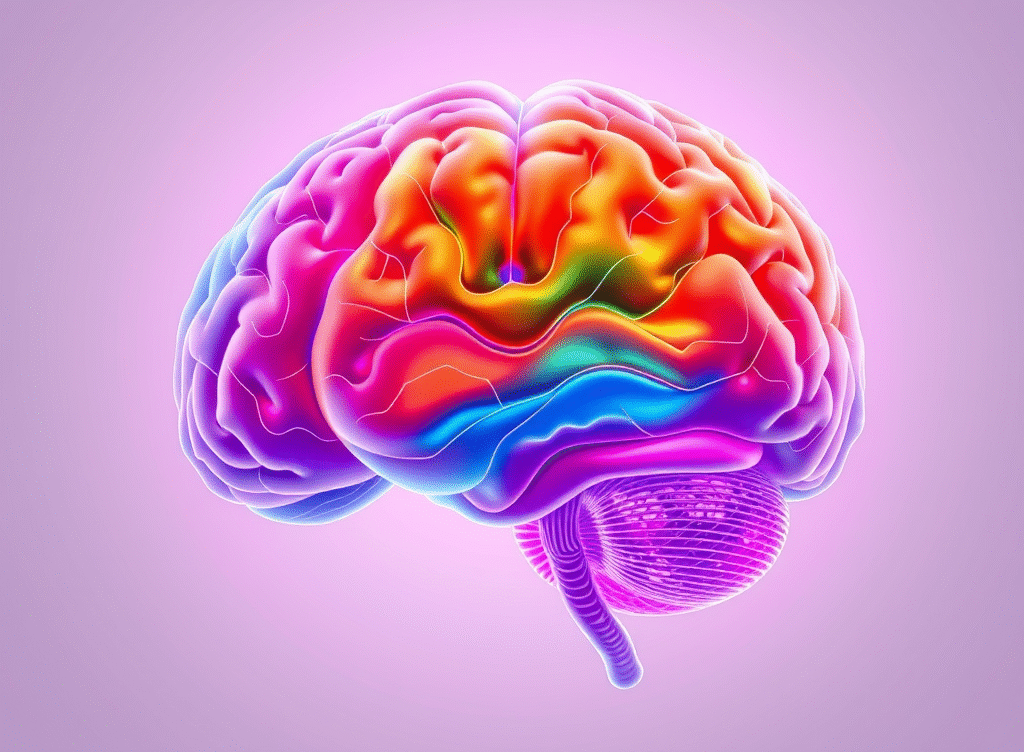
Understanding the Limbic System: Key Functions and Components
1. The limbic lobe and the related subcortical nuclei. The limbic lobe includes the cingulate gyrus, isthmus, hippocampal gyrus, and uncus. 2. The related subcortical nuclei are
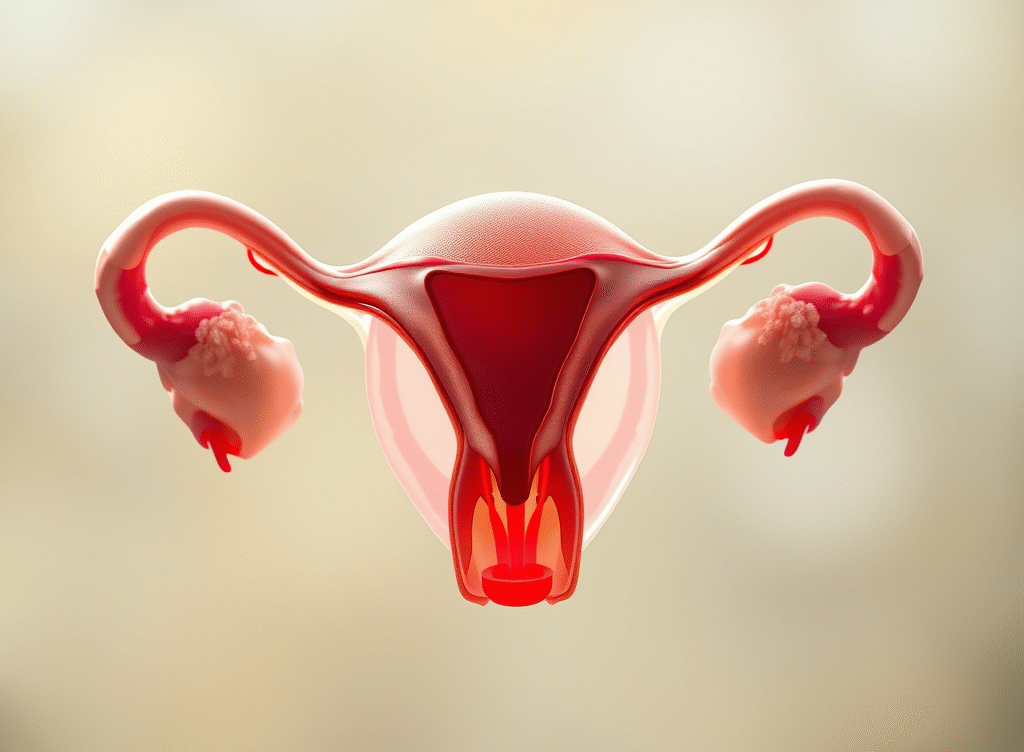
The uterus is a hollow muscular organ situated in the female pelvis. It is a pear-shaped (Pyriform) organ that lies between the urinary bladder in front and the rectum behind. The
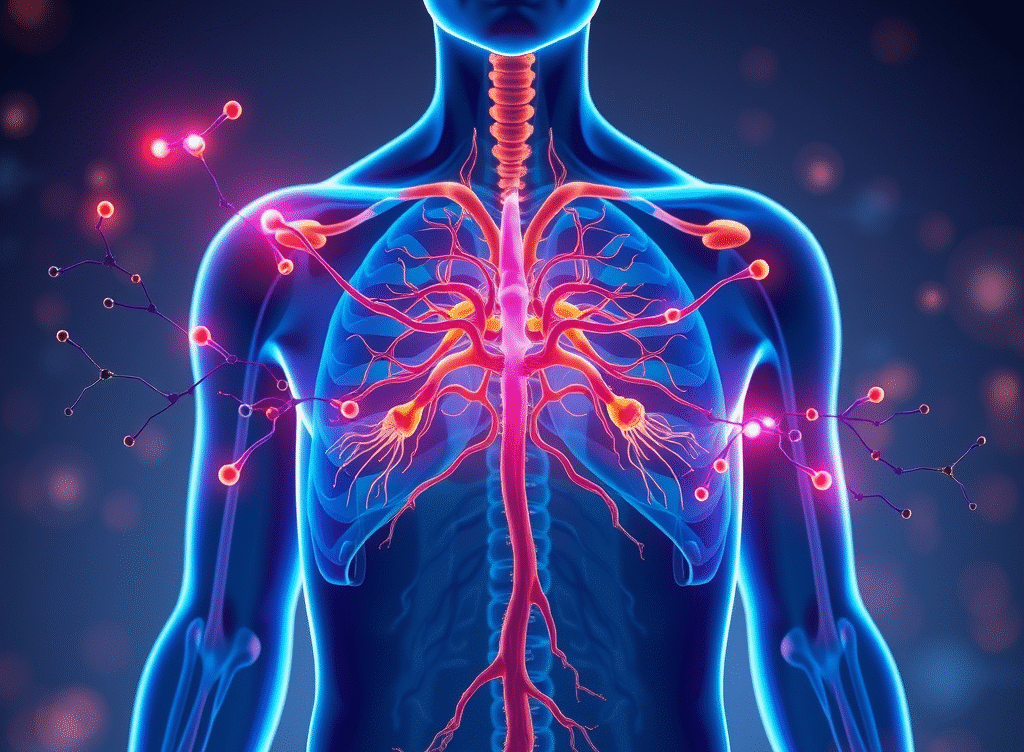
The neuroendocrine reflex integrates two systems of the body that are responsible for maintaining homeostasis. The two systems are the nervous and endocrine systems. They affect ea
The kidney is a vital organ that performs many functions, including the excretion of metabolic waste, maintaining homeostatic balance, regulating body fluid volume, controlling ele
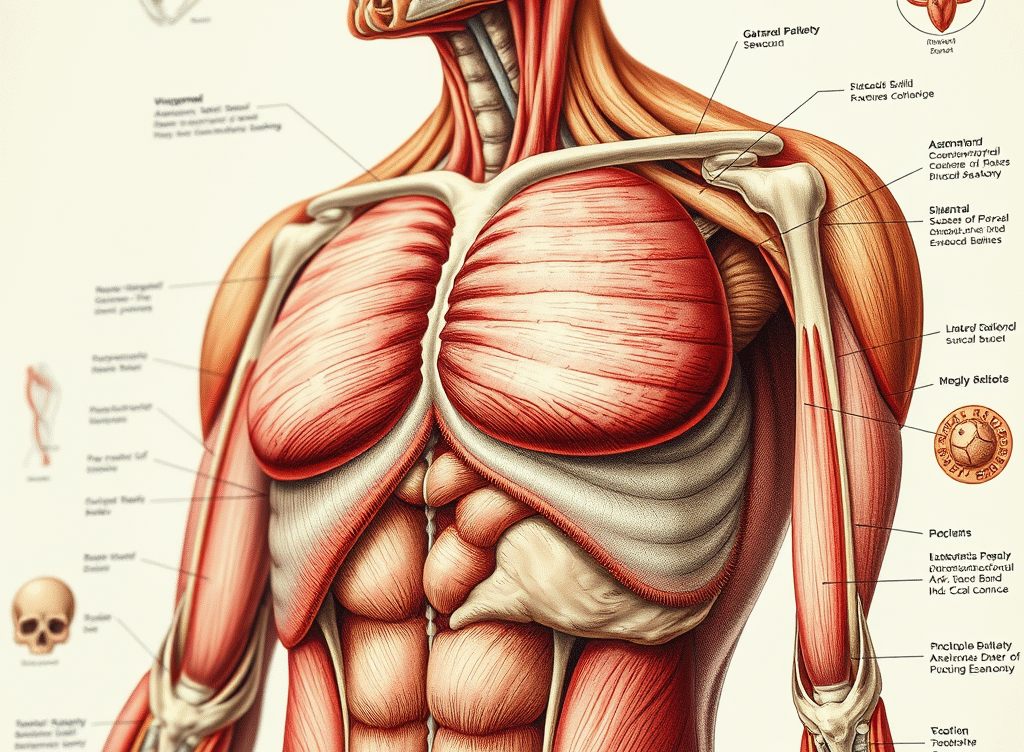
Human anatomy is a branch of science that explains the structure of the human body. In human anatomy, we study the macroscopic and microscopic structures of the human body, how it
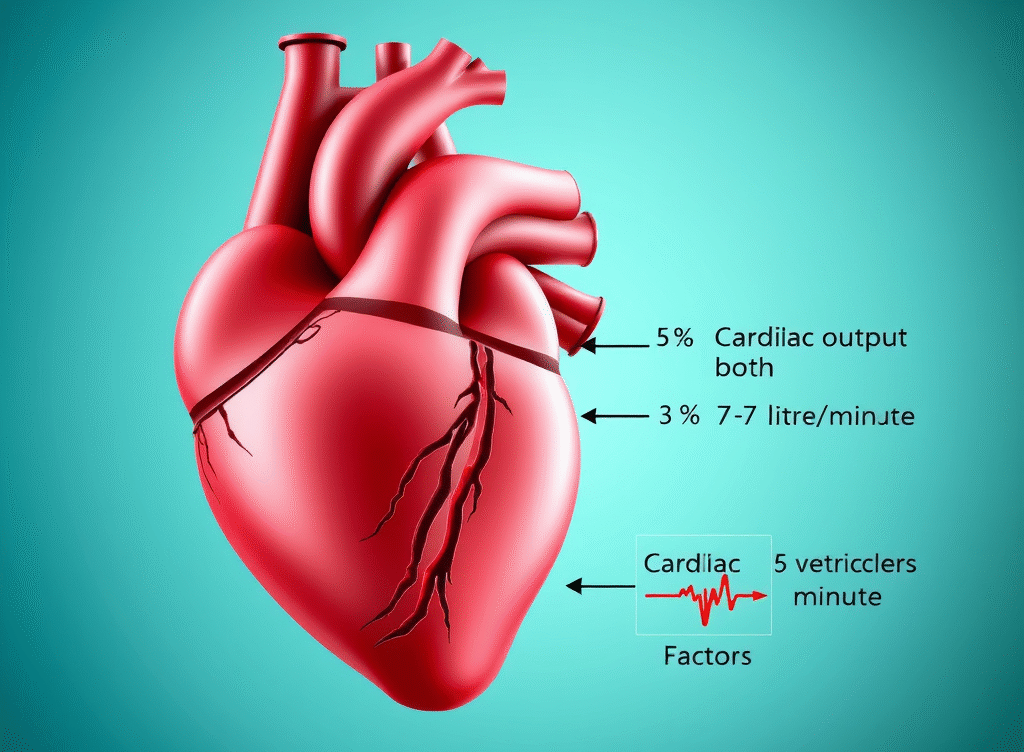
Cardiac output is the blood volume pumped from each ventricle per minute, expressed in liters /per minute .Cardiac output is an essential parameter in hemodynamics, the study of bl
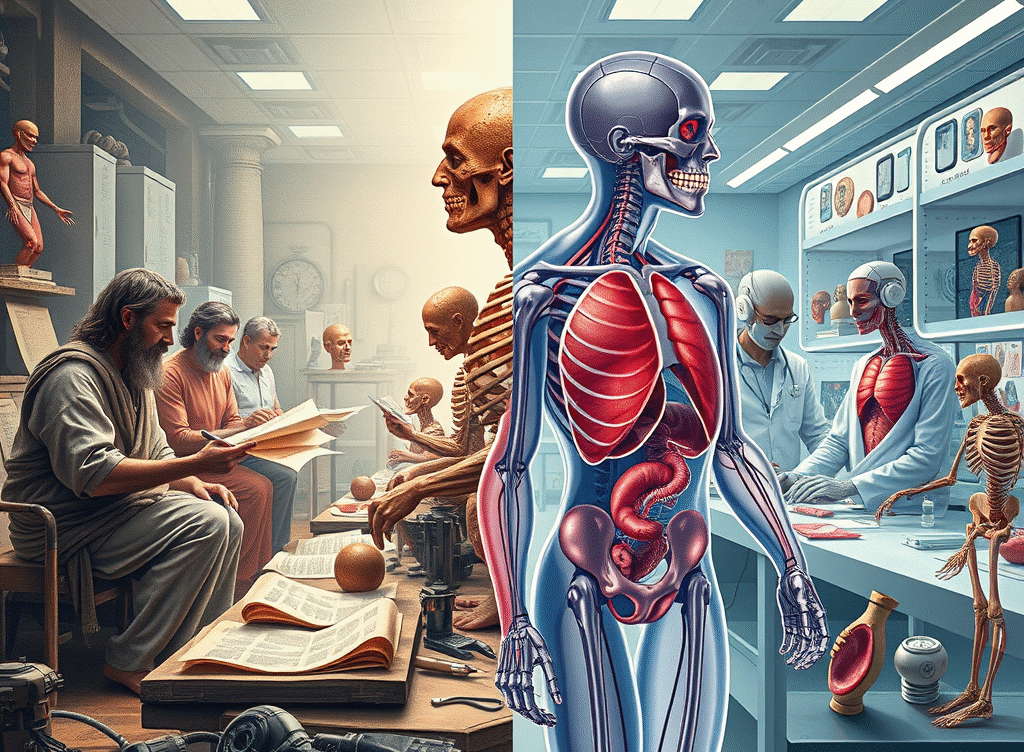
The study of human physiology has been ongoing for time immemorial. The first authentic available record is found in the Sushruta Samhita and Charak Samhita, dating back to around
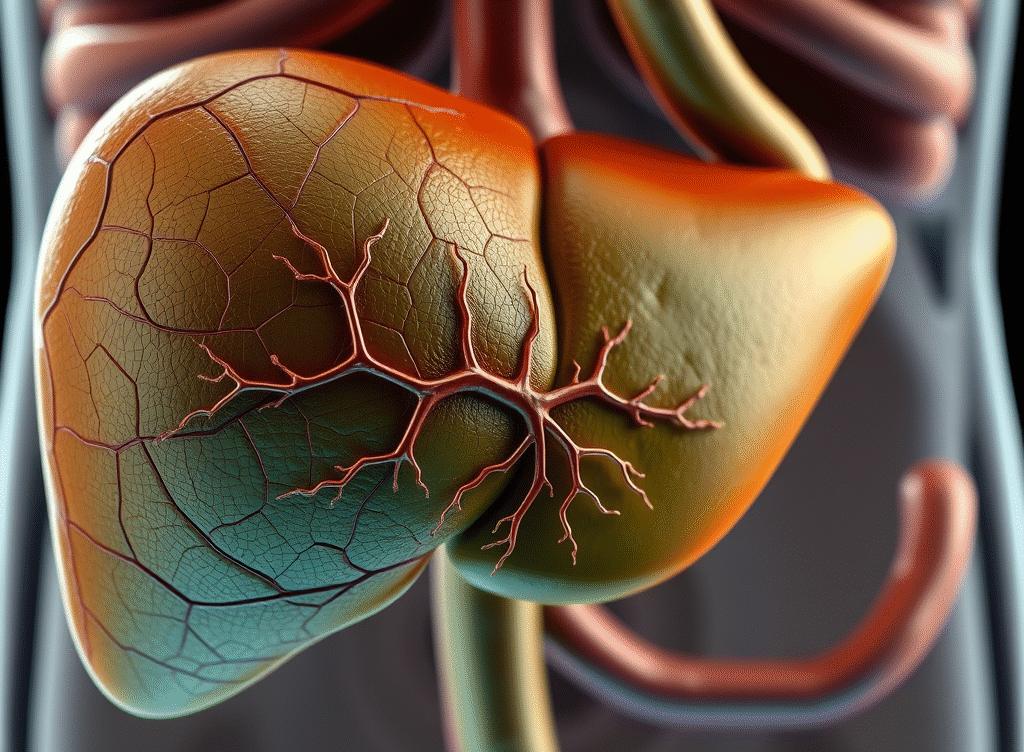
Bile is a physiological fluid that is dark green to yellowish-brown in color and produced by the liver. In humans, bile is produced continuously by the liver and drained by bile c
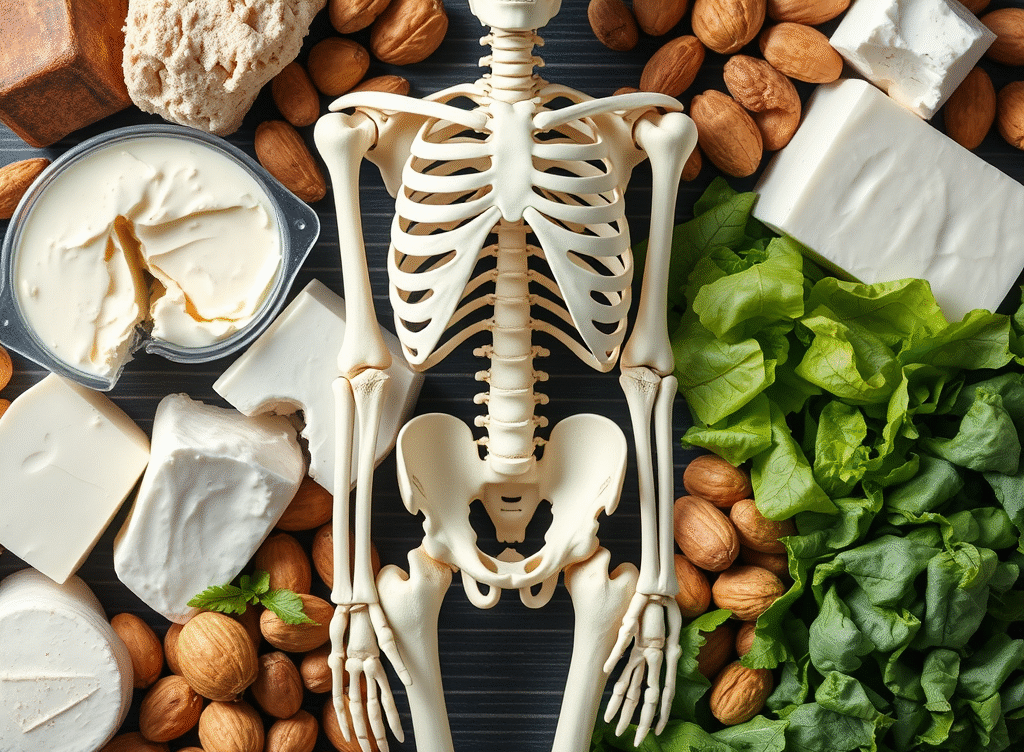
Calcium is the most abundant mineral in the human body. The amount of total body calcium ranges from 1100 to 1200 g, out of which 99% is present in the skeleton, and the remaining
The gut-brain axis is the biochemical signaling between the GIT and the CNS. This complex communication system ensures the proper maintenance of gastrointestinal homeostasis and ha