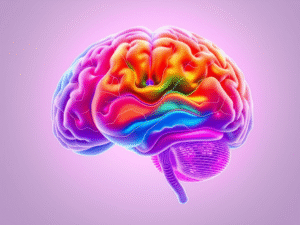
Understanding the Limbic System: Key Functions and Components
1. The limbic lobe and the related subcortical nuclei.
The limbic lobe includes the cingulate gyrus, isthmus, hippocampal gyrus, and

1. The limbic lobe and the related subcortical nuclei.
The limbic lobe includes the cingulate gyrus, isthmus, hippocampal gyrus, and
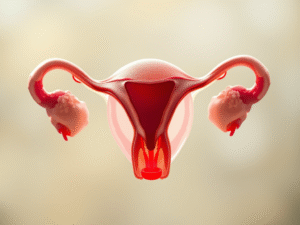
The uterus is a hollow muscular organ situated in the female pelvis. It is a pear-shaped (Pyriform) organ that lies
The tongue is a highly vascular voluntary organ present in the mouth. The tongue is a voluntary structure composed of
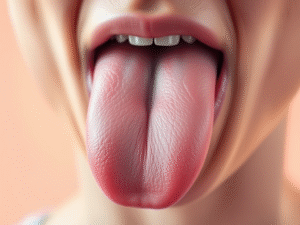
The tongue is essential for health. We must protect it from nicotine-chewing tobacco, smoking, spirits, and spices.
The tongue
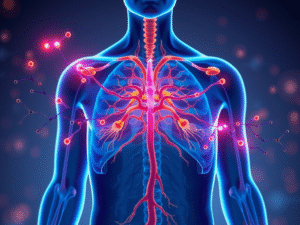
The neuroendocrine reflex integrates two systems of the body that are responsible for maintaining homeostasis. The two systems are the
The kidney is a vital organ that performs many functions, including the excretion of metabolic waste, maintaining homeostatic balance, regulating
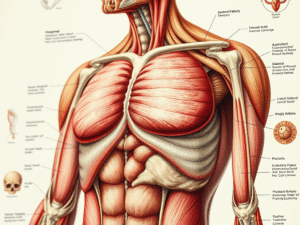
Human anatomy is a branch of science that explains the structure of the human body. In human anatomy, we study
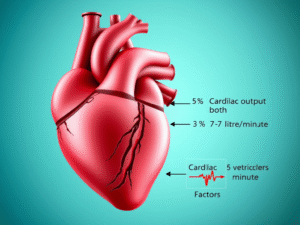
Cardiac output is the blood volume pumped from each ventricle per minute, expressed in liters /per minute .Cardiac output is
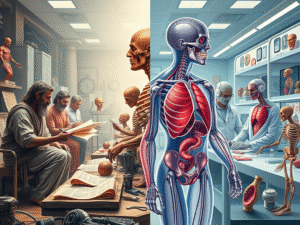
The study of human physiology has been ongoing for time immemorial. The first authentic available record is found in the
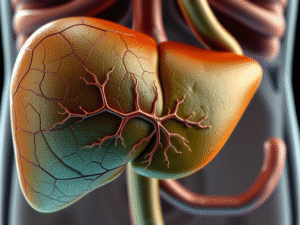
Bile is a physiological fluid that is dark green to yellowish-brown in color and produced by the liver.
In humans,