Why Your Tongue Matters: Clinical Insights
Introduction:
The tongue is present in the oral cavity. The tongue performs multiple functions that are crucial for maintaining normal health.
Table of Contents
Structure
The tongue is a muscular and voluntary organ situated in the oral cavity. The tongue is attached to the floor of the mouth by a band of tissues known as the Frenum.
It has two surfaces- dorsal and ventral surfaces.
Three parts–base, body, and tip. The tongue moves in all directions. For example, anteriorly, posteriorly, side to side, upwards, and downwards. It has a rich blood supply. The lymphatic system is well developed.
Functions
The tongue performs many functions, some of which are listed below.
- The tongue is a crucial organ for a healthy life.
- Taste perception: The tongue contains taste buds on the papillae to detect different tastes — sweet, sour, salty, bitter, and umami. This helps in evaluating food to determine whether it is edible or not.
- Mastication: The tongue helps mix food with saliva and drinks, forming a bolus for easy swallowing.
- Deglutition: The tongue pushes the bolus backwards towards the pharynx and simultaneously blocks food from coming forward. Deglutition describes the swallowing process.
- Speech and articulation: A moist tongue is essential for speech. The tongue produces various sounds through its movements in the oral cavity.
- Cleaning of the oral cavity: The movement of the tongue helps clean the mouth with the aid of saliva and water.
- The tongue prevents infection of the oral cavity and, by and large, the whole body. The oral cavity is the way of infection, and the tongue is the guard.
- Sensory perception-the tongue detects temperature and quality of food.
- The tongue helps regulate body temperature by increasing heat loss.
- The tongue contributes to immune deficiency through its rich blood and lymphatic supply, as well as the presence of lingual tonsils.
- The tongue provides a lot of information about health and disease.
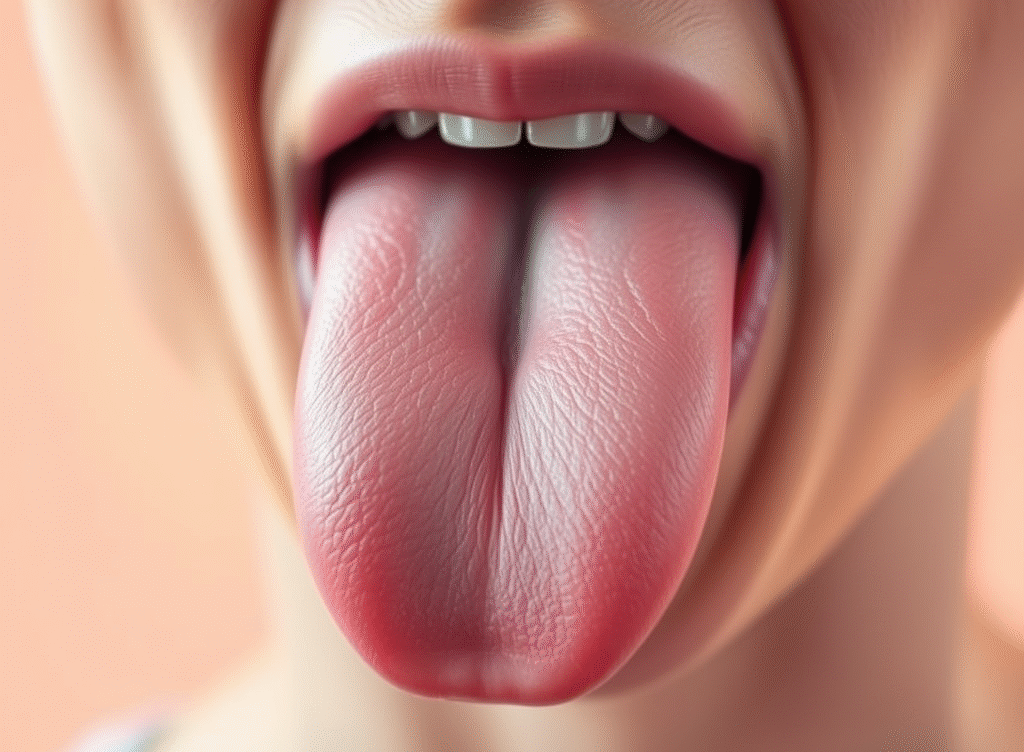
- A pink, moist tongue is usual.
- A red, swollen tongue is characteristic of acute glossitis, an infection of the tongue.
- Dry tongue in dehydration.
Clinical Importance
A pink, moist tongue indicates normal health.
A swollen tongue indicates inflammation of the tongue and a deficiency of specific vitamins.
A change in taste may occur, such as 1. dysgeusia -altered taste, 2. ageusia total loss of taste.
Take Home
The tongue is essential for health. We must protect it from nicotine-chewing tobacco, smoking, spirits, and spices.
Subscribe below and join the pack. Stay in the loop and be the first to get notified about the latest updates.
Please share your comments and experiences

Image by author