Understanding Calcium: Benefits and Functions in the Body
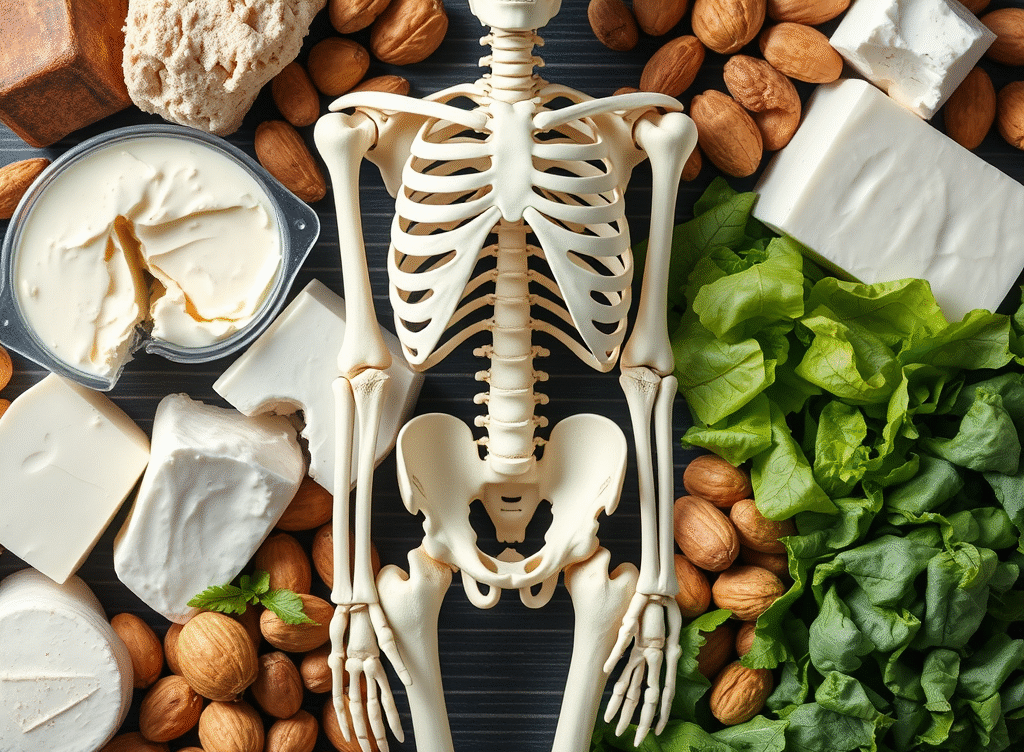
Calcium is the most abundant mineral in the human body. The amount of total body calcium ranges from 1100 to 1200 g, out of which 99% is present in the skeleton, and the remaining
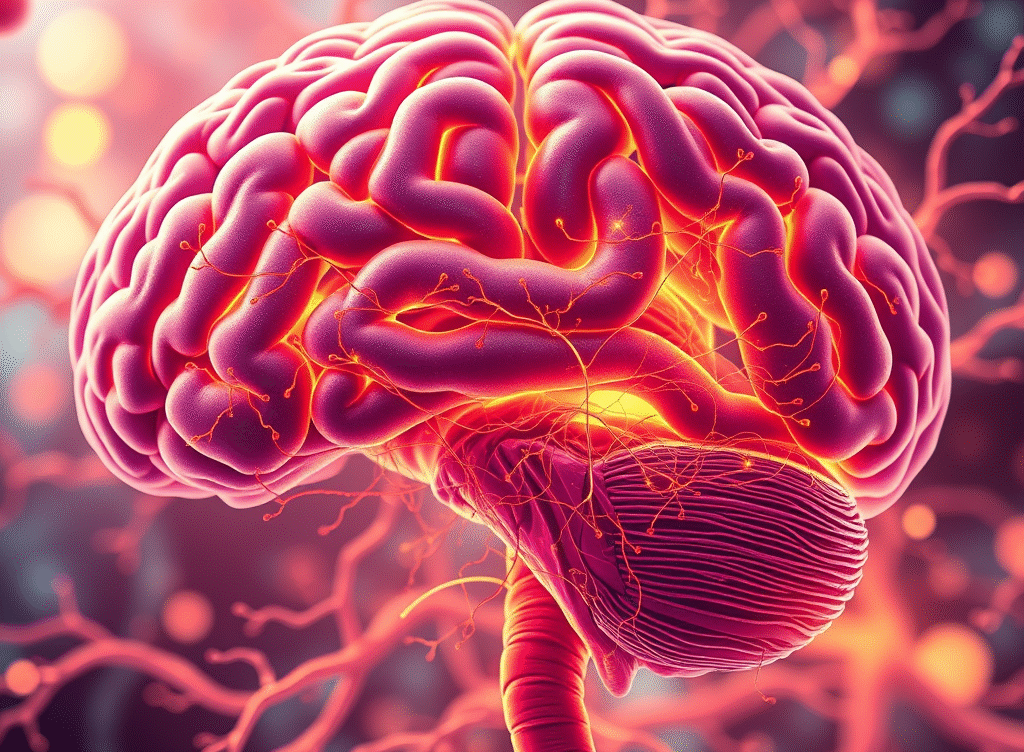
The gut-brain axis is the biochemical signaling between the GIT and the CNS. This complex communication system ensures the proper maintenance of gastrointestinal homeostasis and ha
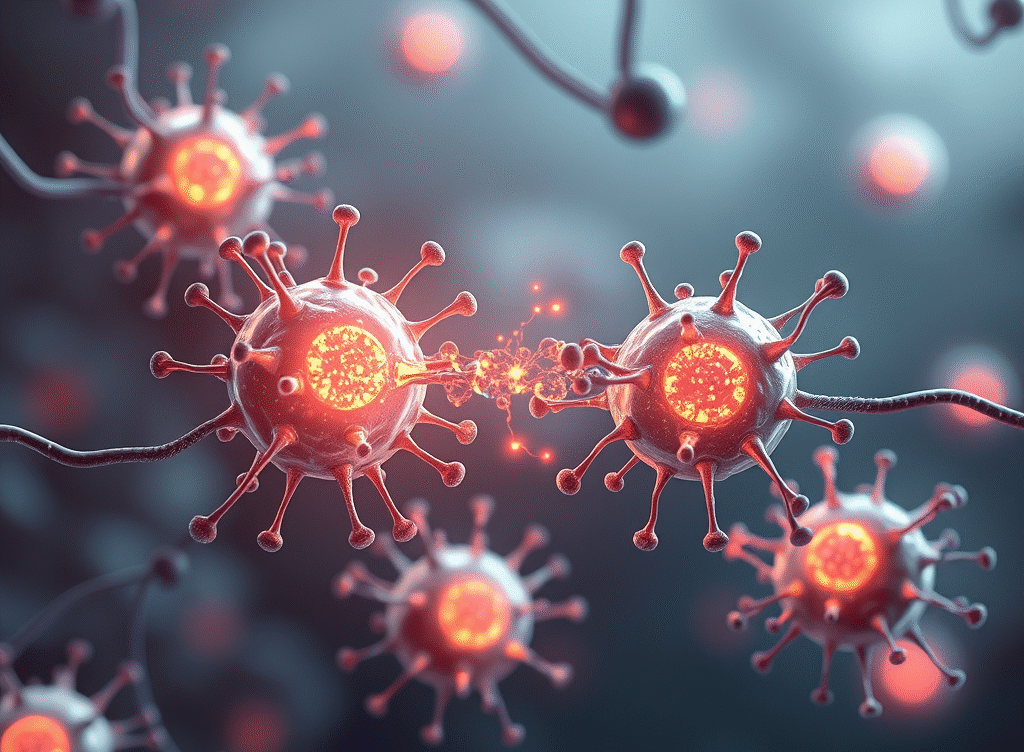
Intercellular communication refers to various methods that cells use to communicate with each other directly or indirectly through the extracellular fluid. This communication is co
Gastrointestinal hormones are biologically active polypeptides secreted from the endocrine cells of the GIT mucosa. These hormones enter the portal circulation, then flow into the
Vital capacity (VC) is the air volume that can be expired by forceful effort, following maximal deepest possible inspiration. The subject takes a deep breath of maximal inspiratio
The complement system is crucial in the body's defense against invading pathogens and tumor cells. Its components enhance the antibacterial activities of antibodies.
Absolute blood indices are essential in diagnosing and typing anemias. A subject's fundamental blood values are compared with arbitrarily set typical values. Blood indices have bee
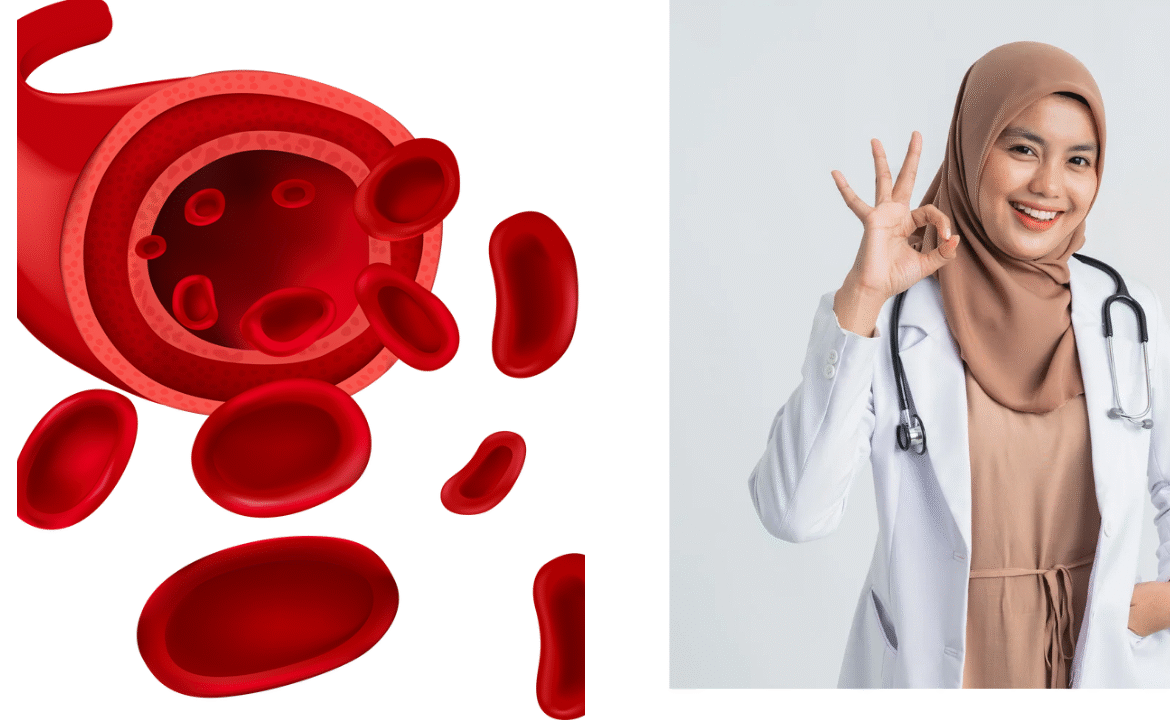
The formation of formed elements of blood is hemopoiesis. There are three types of formed elements of blood-Erythrocytes[RBC], leucocytes[WBC], and Thrombocytes [platelets].
Oxytocin is secreted mainly from the paraventricular nucleus of the hypothalamus. It is also synthesized in peptidergic neurons of the magnocellular neurosecretory system or the hy
As chylomicrons enter the liver, 'liver lipase' breaks it into free fatty acids and glycerol. This is a very quick reaction.