Understanding Calcium: Benefits and Functions in the Body
In this article, we will examine the role of calcium in the human body and the various sources of calcium available to us. We will also learn the normal value of calcium and how it is maintained within a narrow range. Let us delve into the wonderful world of calcium.
Table of Contents:
- Introduction
- The daily dietary intake
- Sources of calcium:
- Site of absorption:
- Calcium absorption increases
- Calcium absorption decreases
- Excretion
- Determination of calcium level
- Regulates receptor activities
- Intracellular signaling:
Keywords:
Calcium|source|absorption|calcium levels|Balance|hormonal regulation|Functions
Introduction
Calcium is the most abundant mineral in the human body. The amount of total body calcium ranges from 1100 to 1200 g, out of which 99% is present in the skeleton, and the remaining 1% is in the tissue and body fluids.
Calcium levels in various compartments of the human body:
In extracellular fluid (ECF), 22 mmol/L is present, of which 9 mmol/L is present in the plasma. Approximately 10 mmol is exchanged between the bone and the ECF daily.
The free calcium ion concentration inside the cell (in the cytoplasm) is only 100 nmol/L, whereas in the interstitial fluid, it is 1,200,000 nmol/L; i.e., the concentration gradient inside to outside is 1:12,000.
Plasma total calcium concentration is 9 to 10.5 mmol/L. 50% calcium is bound to plasma protein,10% to organic acids, and only 40% in ionized form.
Normal ionized calcium is 4.5 to 5.6 mg/Dl. This is maintained within a narrow limit by negative feedback and hormones.
Ionized calcium is essential for biological effects.
Intracellular calcium is bound to the endoplasmic reticulum, mitochondria, and calcium-binding proteins. Major calcium-binding proteins are:
- Troponin
- Calmodulin
calcium absorption
Calcium in the body is absorbed through the gut and excreted through the gut and kidneys. Calcium moves between body compartments and bone. Calcium is stored in the bone marrow.
Calcium regulation
Plasma Calcium hemostasis: Some hormones regulate calcium ion concentration in plasma within a narrow range. Parathyroid hormone increases, while calcitonin decreases, the plasma calcium ion concentration.
The daily dietary intake
The daily dietary intake is approximately 1000 mg, and 600 mg enters the gut through secretions.
Sources of calcium:
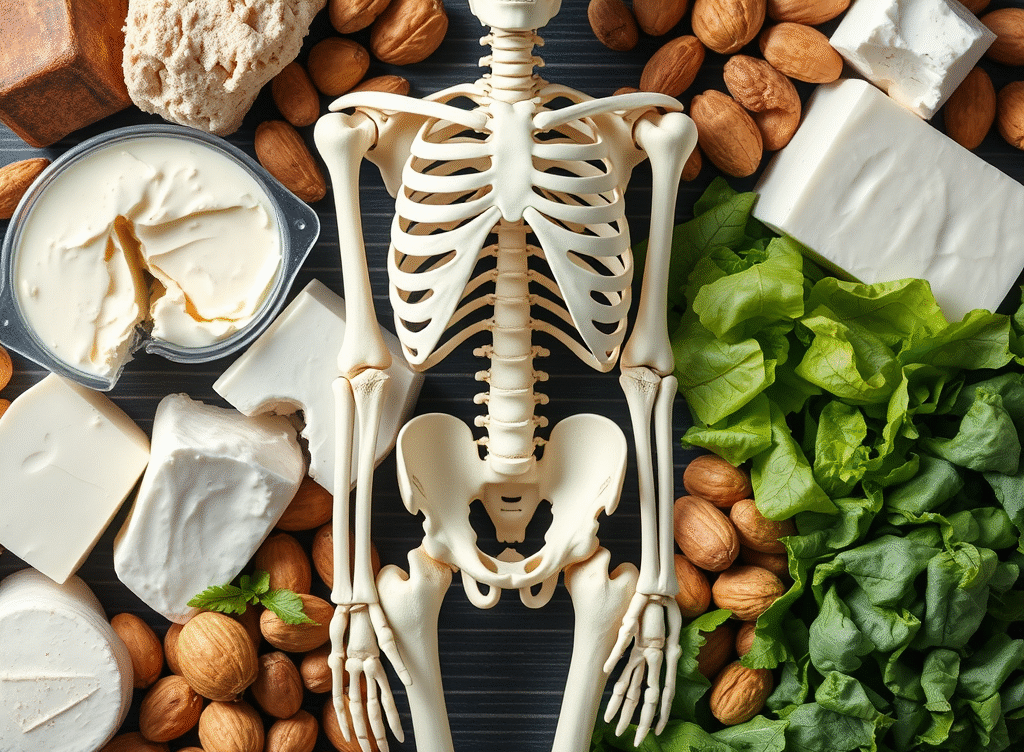
Calcium is widely distributed in our diets, but not all calcium in the diet is absorbed. Calcium present in dairy products is rapidly (75%) absorbed. Only 7%, 5%, and 3% of calcium is absorbed from vegetables, grains, and fruits, respectively.
Food rich in calcium:
Dairy products: Milk, including soya milk.
- Dairy products like milk, including soya milk
- Yogurt
- curd
- cheese
- Tofu
- leafy vegetables
- Fortified foods
- Fruits
- Dry fruits like almonds
- Seeds, for example, chia seeds
- Fish, meat, and poultry
Calcium supplements are also available. But as calcium is present in adequate amounts in various foods, in my opinion, calcium supplements are of no use.
Please let me know your opinion.
Absorption of calcium:
The rate of calcium absorption varies according to the calcium in the diet and the body’s demand. If calcium intake is high, absorption is low, and when intake is low, absorption is high.
Site of absorption:
When calcium intake is high, passive paracellular transport in the jejunum and ileum occurs, independent of Vitamin D levels.
And when intake is low, absorption is high by active transport in the duodenum.
Intestinal calcium absorption occurs across the brush border membrane of intestinal epithelial cells, which contains TRPM7 channels. Other channels are also present, but TRPM7 is the main channel.
After cellular uptake, calcium immediately binds to Calbindin. Calbindin is a vitamin D-dependent calcium-binding protein. Calbindin transfers bound calcium into the epithelial cells’ endoplasmic reticulum, from which calcium is transferred to the basolateral cytoplasm-intercellular fluid.
Calcium pumps (PMCA1) present on the basolateral membrane actively transport calcium into the extracellular fluid.
Calcium absorption increases
Calcium absorption increases when acid in the stomach is proper, an adequate amount of bile, bile salts are present, the presence of phosphate, Vit D3, GH, parathormone, hypocalcemia, and a high protein diet.
Calcium absorption decreases
Calcium absorption decreases in the presence of alkali, reduces the amount of bile salt and bile, and causes hypercalcemia.
After oral ingestion, calcium absorption is complete within four hours.
Calcium is stored in the body (99% of calcium). This calcium is being moved in and out of the bone as needed.
Parathyroid glands secrete PTH. Kidneys synthesize calcitriol under the influence of PTH. PTH, in conjunction with Calcitrol, induces calcium release from bone when the blood calcium level reduces.
PTH, in conjunction with calcitriol, increases calcium levels, while calcitonin decreases calcium levels.
Calcitonin stimulates the incorporation of calcium into the bone. Calcitonin is secreted by parafollicular cells of the thyroid gland.
Excretion
Approximately 900 mg is excreted in the feces, and about 100 mg is excreted in the urine. In this way, calcium homeostasis is maintained.
Determination of calcium level
Directly by colorimeter – reliable and globally practiced.
Indirectly by nanogarams – not in use, as the results from this method are not reliable.
Functions:
Calcium ions bind rapidly with proteins, especially those with side chains terminating in a carboxyl (-COOH) group, such as the Glutamate residue. This binding changes the protein’s tertiary structure, a three-dimensional form. When calcium ions bind, the protein becomes active.
Regulates receptor activities
Calcium ions bind with specific receptors and alter their activity.
When the calcium ion level is low (hypocalcemia), it causes a leak of sodium ions, making the cell hyperexcitable (positive bathmotropic effect), which leads to spontaneous muscle contractions, tetany, and paraesthesia.
When calcium ion levels increase (hypercalcemia), they bind to the sodium channels and produce adverse biotrophic effects. Clinically, it will cause lethargy, anorexia, and emotional disturbances.
Intracellular signaling:
Calcium acts as an essential second messenger, leading to muscle contraction, the release of hormones (e.g., insulin), and neurotransmitters.
Calcium provides bone support. In bone, it is present as calcium hydroxyapatite.
Calcium is present in muscles.
Reference:
Celiac disease. https://synappsehealth.com/en/articles/i/celiac-disease/
Thanks.