Bile: Formation, Functions, and Health Implications
This article discusses different aspects of bile and bile salts. The role of bile and bile salts in digestion and human physiology is discussed. Here, learn about the bile, the site of synthesis, functions, and more
This article is part of my mission to provide trustworthy, recent health information to support the general public, patients, and professionals worldwide.
Here, you will find topics related to human physiology and health.
Keywords:
Bile salts|Formation | Storage | Functions| Enterohepatic circulation | Choleretic substances | Cholic acid | Cholagogues | Taurocholic acid
Table of contents
- Introduction:
- Composition of bile:
- Secretion of Bile and Bile Salt Formation
- Regulation of bile secretion
- Functions of bile
- Tests for bile acids
- Clinical implication
Introduction:
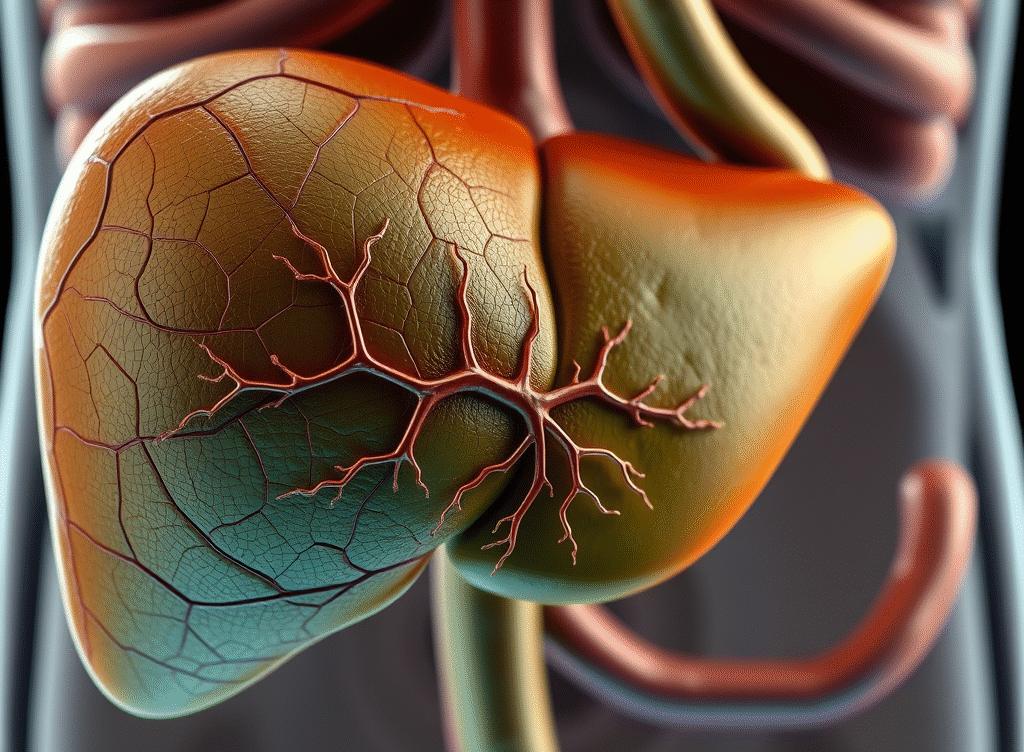
Bile is a physiological fluid that is dark green to yellowish-brown in color and produced by the liver.
In humans, bile is produced continuously by the liver and drained by bile canaliculi to the right and left hepatic ducts. The right and left hepatic ducts join to form the common hepatic duct. The cystic duct from the gall bladder joins the common hepatic duct and forms the common bile duct.
The pancreatic duct merges with the common bile duct before it opens into the second part of the duodenum through the hepatopancreatic sphincter, also known as the sphincter of Oddi. Before opening, there is a dilatation in the duct known as the ampulla of Vater.
The tone of the sphincter of Oddi is high during the interdigestive period. Therefore, bile comes into the gall bladder. In the gall bladder, hepatic bile is stored and concentrated.
Typically, bile is concentrated five times in the gall bladder by water absorption and electrolytes, but organic molecules are retained. Oddi’s sphincter relaxes when food enters the mouth, and the gall bladder’s contraction occurs, causing the discharge of bile into the duodenum under the influence of nervous and humoral controls.
Composition of bile:
Secretion 500-1000ml/day.
Color dark green to golden yellow-transparent.
It is alkaline, 7.8 to 8.7 pH, and isotonic with plasma.
Water 97%
Bile salt 0.7%
Bile pigment 0.2%
Fat, fatty acids, and lecithin cholesterol are less than 0.1% each.
Cations Na+ 180-220 mEq/L Anions Cl- 60-70 mEq/L
Secretion of Bile and Bile Salt Formation
Bile is secreted in two stages:
Stage one: The hepatocytes secrete an initial secretion rich in bile salts, cholesterol, and other organic components.
Stage two: The initial secretion will flow towards the bile ducts. During this process, water and the sodium bicarbonate ion are added.
Bile acids are steroid acids synthesized from cholesterol. Diverse Bile acids are synthesized in the liver.
Primary bile acids are those synthesized by the liver.
Secondary bile acids are produced by bacterial action in the colon.
The two main primary bile acids are
cholic acid and chenodeoxycholic acid.
Secondary bile acids are:
Deoxycholic acid is from cholic acid, and lithocholic acid is from chenodeoxycholic acid.
Conjugation of these acids occurs in the liver. Conjugation means ‘join together.
So, for example, the conjugation of cholic acid with taurine forms taurocholic acid, and when it conjugates with glycine, it forms glychocholic acid.
Likewise, the conjugation of chenodeoxycholic acid with taurine forms taurochenodeoxycholic acid, and conjugation with glycine forms glucochenodeoxycholic acid.
The acids form sodium and potassium salts in the alkaline bile. They are roughly equal in concentration.
Secondary bile acids are deoxycholic acid and (from cholic acid) lithocholic acid (from chenodeoxycholic acid), which also form bile salts.
Bile salts are amphipathic molecules with hydrophobic and hydrophilic regions. The conjugated bile salts occupy the lipid/water interface and form micelles above the critical micelle concentration.
The conjugated bile salts prevent passive reabsorption in the small intestine. As a result, bile acids/ salts in the small intestine are high enough to form micelles and solubilize lipids.
The critical micellar concentration refers to both an intrinsic property of the bile acid and the amount of bile acid necessary for the spontaneous and dynamic formation of micelles.
Bile acid-containing micelles aid lipases in digesting lipids and bring them near the intestinal brush border membrane, which results in fat absorption.
Bile salts do not contribute to the osmotic pressure of the bile. Therefore, the osmotic pressure of bile is identical to that of plasma, 290 mOsm/L.
The average rate of bile salt synthesis is 0.2-0.4 g/day. Therefore, the total pool of circulating bile salts is about 4-6 g. This is almost limited.
Enterohepatic circulation: Bile salts enter the duodenum, of which 90-95% are reabsorbed actively from the terminal ileum in the portal vein and return to the liver. The rest, 5-10%, are converted to deoxycholic acid and lithocholic acid salts by gut flora.
The lithocholic acid form is relatively insoluble and is mainly excreted in stools, but deoxycholate is absorbed and excreted in the urine.
As an ordinary meal requires 6-8 grams of bile salts to digest and absorb fats, the total bile acid pool is approximately 4-6 grams. So it must circulate twice during the digestion of each meal.
Bile pigments are formed from haem of hemoglobin after RBC destruction. Bile pigments are bilirubin and biliverdin.
1 gram of hemoglobin produces 40 mg of bilirubin.
They are excretory products and do not perform digestive functions.
Regulation of bile secretion
Bile acids are potentially toxic to cells as surfactants or detergents, so their concentrations are tightly regulated. First, the activation of FXR in the liver inhibits the synthesis of bile acids, serving as one feedback control mechanism when bile acid levels are too high.
Secondly, FXR activation by bile acids during intestinal absorption increases the transcription and synthesis of FGF19, which then inhibits bile acid synthesis in the liver.
- Nervous control: Stimulation of the vagus causes contraction of the Gall bladder and relaxation of the sphincter of Oddi. This is mediated by acetylcholine.
- Humoral control: Secretin and CCK-PZ cause an increase in bile flow by contraction of the gall bladder. The acid in the duodenum stimulates the secretion of Secretin. Products of fat and protein digestion stimulate the secretion of CCK-PZ. Gastrin, Secretin, and bile salts stimulate bile secretion.
Choleretic substances increase the biliary secretion of bile salts and bile acids from the liver.
Cholagogues cause contraction of the gall bladder and increase the bile release.
Functions of bile
- Helps digestion and absorption of fats and fat-soluble vitamins A, D, E, and K due to Bile salts. Dietary Bile acids facilitate the digestion of dietary fats and oils. They serve as micelle–forming surfactants, encapsulating nutrients and reducing their absorption. These micelles are suspended in the chyme before processing. Bile salts induce FXR activation, leading to alterations in triglyceride metabolism, glucose metabolism, and liver growth.
- Neutralization of acidic chyme present in the duodenum.
- Provides an alkaline medium for optimal functions of enzymes and hormones.
- Excretion – Bile removes many metals, including copper and zinc, as well as some drugs and hormones. It also excretes bilirubin.
- Prevents the precipitation of cholesterol. Free cholesterol is virtually insoluble in aqueous solutions, but it is made soluble by bile acids and lipids like lecithin in bile acids and lipids.
- Bile acids also have hormonal actions throughout the body, particularly the ‘farnesoid x receptor’ and GPBAR1, G protein-coupled bile acid receptor/TGR5.
- They bind less specifically to some other receptors. However, they have been reported to regulate the activity of certain enzymes and ion channels, as well as the synthesis of various substances, including endogenous fatty acid ethanolamides.
- Bile salts destroy many microbes present in food.
Bile acid sequestrants bind bile acids in the gut, preventing their reabsorption. So, more endogenous cholesterol is shunted into the production of bile acids, thereby lowering cholesterol levels. The sequestered bile acids are then excreted in the feces.
Tests for bile acids
Tests for bile acids help diagnose various conditions, including types of cholestasis.
Clinical implication
The ratio of bile acid to cholesterol saturation in bile is crucial for preventing precipitation and the formation of gallstones.
Excess concentrations of bile acids in the colon cause chronic diarrhea. It is found in Crohn’s disease or when the ileum is abnormal.
Bile acids play a significant role in the development of colorectal cancer.
Increased secretion of bile acids causes an increase in bile flow.
Disclaimer:
All possible measures have been taken to ensure the accuracy and reliability of the information; The author does not accept any liability for the accuracy of the information provided by the website, which is used solely by the viewers. The information is provided as an educational service and for public awareness. It is not medical advice.
In the event of any medical issue, we recommend consulting a qualified doctor and following their instructions.
Internal link:
https://totalphysology20.blogspot.com/2021/02/glands-we must know https://totalphysology20.blogspot.com/2021/03/small intestine. We must know
https://totalphysology20.blogspot.com/2021/04/large intestine. We must know
https://totalphysology20.blogspot.com/2021/05/gut. We must know
External link:
https://www.britannica .com>science
Please follow me on email, Twitter, and Facebook.
Pl like, follow, and subscribe.
cholagogues | choleretic | cholic acid| chenodeoxycholicacid | entero hepatic circulation| Bile salts | Storage | Functions